Internal Medicine Residency Program
Internal Medicine Overview
The three-year Internal Medicine Residency at Spokane Teaching Health Center (STHC) in Spokane, Washington, offers a dynamic and comprehensive training experience grounded in clinical excellence and compassionate care. Within a collaborative academic environment, residents work closely with experienced faculty physicians who are dedicated to mentorship, education, and service. The program emphasizes hands-on learning across a range of healthcare settings, preparing residents to care for diverse patient populations with confidence and skill.
Robust training in inpatient, outpatient, and consultative care with a strong focus on chronic disease and prevention
Continuity clinic experience at Spokane Teaching Health Clinic
Interdisciplinary, team-based approach integrating behavioral health and specialty services
Mission-driven faculty committed to mentorship, community care, and serving underserved populations
Our Mission
Training healers. Empowering leaders. Serving our community.
We recognize that increasing diversity in the physician workforce positively impacts healthcare access and patient outcomes and we are committed to recruiting and retaining a diverse workforce of residents, faculty and staff.
A Letter From The Director
Internal Medicine Residency Spokane is, as our residents say, “a hidden gem.” This vibrant community has a little bit for everyone—unique community activities such as Bloomsday and Hoopfest, art galleries, an amazing symphony, award-winning wineries, breweries, and restaurants—all surrounded by an immense park system and incredible lakes and mountains. It is no surprise that many of our graduates choose to stay in Spokane or return after their fellowship training.
Collegiality and collaboration are the name of the game here; we value relationships. Residents have longitudinal relationships with their assigned faculty advisor as well as other core faculty and community mentors. We work closely with our residency colleagues, partnering together for education, wellness, QI, and patient care. Our interdisciplinary colleagues are an essential part of our team in both clinic and hospital. We have long-standing relationships with 3 regional medical schools; residents can refine their teaching skills with the medical students who work with us.
We have 10 residents/year as well as 2 clinician-teacher fellows. We focus on both breadth and depth of training providing the opportunity for residents to personalize their education to their medical interests while developing a strong foundation in general internal medicine. Our residents have multiple opportunities to enrich their education; some of these include POCUS, our primary care track, and a formal teaching curriculum. Our graduates go on to become hospitalists, primary care physicians, subspecialists, and faculty. We pride ourselves in helping our learners develop skills for life-long, self-directed learning.
If you are looking for a friendly and rigorous residency where you can tailor your training to meet your future career goals, Spokane is the place for you.
Dr. Amy Eddy, Program Director, Internal Medicine Residency Spokane
Quick Links
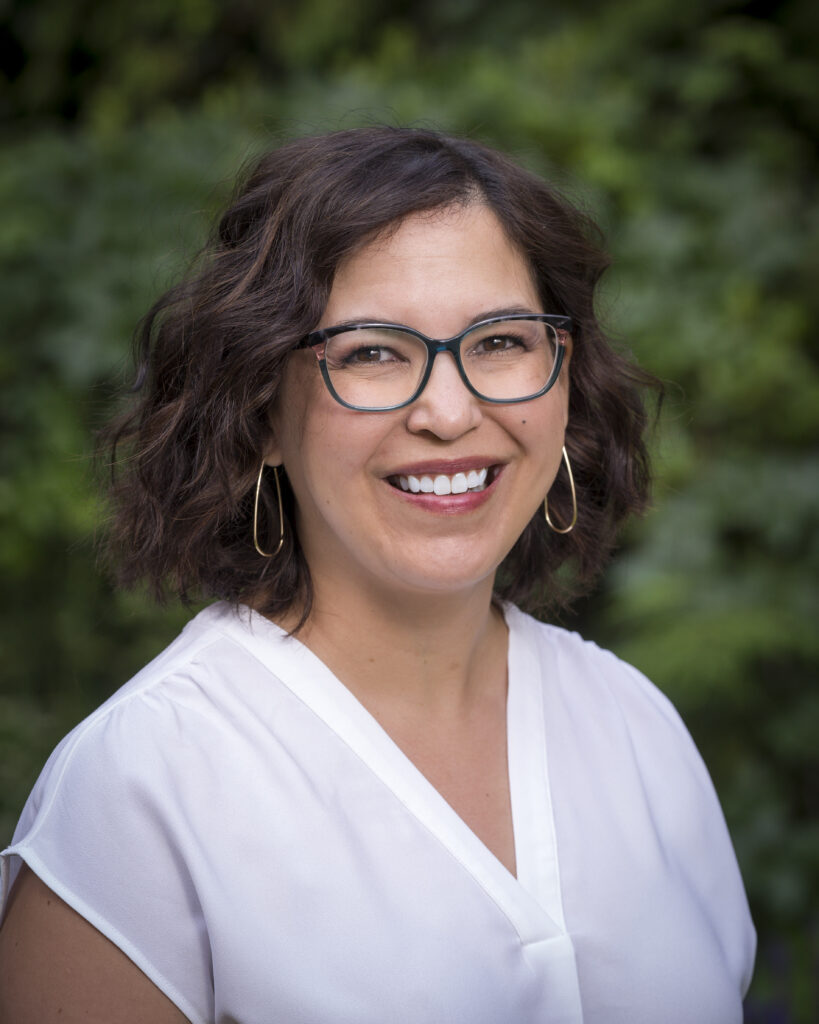
Amy Eddy, MD
Program Director
Internal Medicine Residency
Training Tracks
Primary Care Track
Focuses on comprehensive ambulatory care, chronic disease management, and preventive medicine, preparing residents for careers in outpatient internal medicine.
Teaching Fellowship
A one-year post-residency program designed for those pursuing academic medicine, offering experience in curriculum development, bedside teaching, and faculty leadership.
4th Year Clerkship
A 4-week sub-internship for medical students (M4s) interested in Internal Medicine, providing immersive inpatient experience and mentorship.
Curriculum
As a resident at Spokane Teaching Health, you’ll benefit from comprehensive clinical, educational, and research opportunities designed to support your growth. Our program emphasizes both professional development and personal well-being, offering a supportive environment on and off campus that prioritizes balance, resilience, and wellness throughout your training.
Resident Rotations
The following are representative of a typical resident schedule.
Individual resident schedules may vary slightly.
R1
| How Many? | Rotation | # of Days/Wk |
|---|---|---|
| 4 | General House Staff | 6 days/wk |
| 1 | In-pt Cardiology | 5 days/wk |
| 1 | Medical ICU | 6 day/wk |
| 1 | Night Float - Medical ICU | 5 nights/wk |
| 1 | Sub-Specialty Elective | 5 days/wk |
| 1 | Emergency Medicine | 20 shifts/ rotation |
| 1 | Night Float | 5 nights/wk |
| 1 | Ambulatory (continuity clinic) | 5 days/wk |
| ½-1 | Out-pt Dermatology | 5 days/wk |
| 1-1½ | Electives | 5 days/wk |
| On-Going | Continuity Clinic | ½ day/wk |
R2
| How many? | Rotation | # of Days/Wk |
|---|---|---|
| 1 ½ | General House staff | 6 days/wk |
| 1 | Hospitalist Consult Service | 5 days/wk |
| 1 | Medical ICU | 6 day/wk |
| 1 | Out-pt Cardiology | 5 days/wk |
| 1 | In-pt Neurology | 5 days/wk |
| ½ | In-pt Psychiatry Consult Service | 5 days/wk |
| 1 | Night Float | 5 nights/wk |
| 1 | Ambulatory (continuity clinic) | 5 days/wk |
| ½ | Out-pt clinic with community internist | 5 days/wk |
| 1 | Endocrinology | 5 days/wk |
| 1 | Infectious Disease | 5 days/wk |
| ½ | Geriatrics | 5 days/wk |
| ½ | Systems of Medicine | 5 days/wk |
| 1 ½ | Electives | 5 days/wk |
| On-going | Continuity Clinic | 1 day/wk |
R3
| How many? | Rotation | # of Days/Wk |
|---|---|---|
| 2 | General House staff | 6 days/wk |
| 1 | DMC ICU | 6 days/wk |
| 2 | Medical ICU | 6 day/wk |
| 1 | In-pt Cardiology | 5 days/wk |
| 1 | Hospitalist Service | |
| 1 | Night Float | 5 nights/wk |
| 1 | Ambulatory (continuity clinic) | 5 days/wk |
| 1 | Nephrology Consult | 5 days/wk |
| 1 | Hematology/Oncology | 5 days/wk |
| 1 | Out-pt Pulmonology | 5 days/wk |
| 1 | Out-pt Rheumatology | 5 days/wk |
| 1 | Electives | 5 days/wk |
| On going | Continuity Clinic | 1 day/wk |
Resident Call
We utilize four-week block rotations of Night Float. Residents assigned to this rotation work Sunday through Thursday 1730 to 0700. One senior and two interns provide continuity coverage for housestaff patients as well as admit new patients.
Friday and Saturday nights are covered by residents on rotations such as electives or ambulatory. In an effort to maximize the number of weekends off, call has been consolidated on Purple housestaff and ICU. On Fridays, the purple intern will work their day shift and overnight call (ending at 7AM on Saturday). During the 4 weeks of the ICU rotation, the ICU interns each work one 24-hour shift per week in addition to their regular day duties.
There are significant advantages to the Night Float system:
- The resident concentrates 20 nights of call (in many programs these are scattered throughout an academic year) into a single block without having daytime responsibilities
- Continuity of patient care improves by having the night float team familiar with housestaff patients for the month and participating in twice daily transitions of care sign-out.
| R1 | R2 | R3 | |
|---|---|---|---|
| Night Float | 4 weeks | 4 weeks | 1-2 weeks |
| ICU Night Float | 4 weeks | n/a | n/a |
Resident Peer Review Conference
Similar to what you may know as an “M&M”, the RPRC is a resident and faculty led conference that seeks to identify and problem solve systemic gaps in care. The general goal is to cultivate skills for review, communication, and performance improvement.
Board Prep
As part of a comprehensive board review process, starting in their R1 year, residents receive access to MKSAP and and are scheduled to complete questions throughout the year.
Journal Club/ Evidence-Based Medicine Curriculum
Under the guidance of a faculty member, residents will perform and present critical appraisal of a journal article. Journal club has 2 objectives: First, to stay current with the latest evidence-based clinical information relevant to general internal medicine. Second, learn the basics of biostatistics, understand the methodology of clinical trials and accurately interpret applicability of research to your practice.
Case Presentations
Case presentations are case-based discussions led by attending physicians and senior residents with a focus on clinical reasoning, generating differential diagnoses and evidence-based-management.
Noon Conferences
Our noon conference teaching is based on a 3-year rolling curriculum that covers a broad range of internal medicine topics. Typically these lectures are given by invited guest speakers, residents, attendings and subspecialists within the medical community. Lectures are broadcast to other clinical sites and are recorded for future viewing.
Acute Care Conference Series
Lectures take place during the first 3 months of the academic year. These case-based lectures are designed to help interns recognize/manage common emergent situations in internal medicine.
EXAMPLES:
- Calls in the middle of the night Part 1 of 3 (pain, fever, confusion)
- Informed consent/decisional making capacity/POLST
- Recognition and management of arrhythmias
Medicine Grand Rounds/Osler Rounds (monthly)
Senior residents, as part of scholarly activity, are required to present an in-depth discussion on clinical manifestation, diagnostics and therapeutic management of a disease process in internal medicine.
Ultrasound
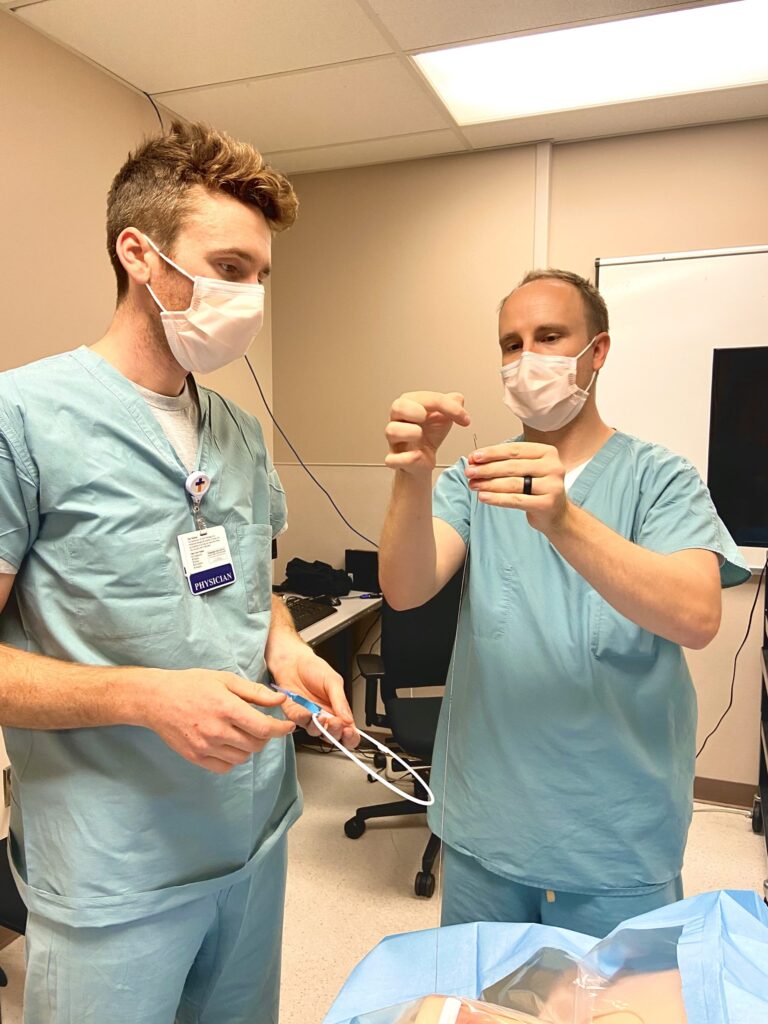
Ultrasound workshop/Longitudinal Bedside Point-of-care Ultrasound curriculum: The introductory workshop takes place in the R1 year. In addition to the bedside POCUS curriculum, senior residents have opportunities to attend conferences and preset at regional/national POCUS workshops with faculty mentorship from our POCUS director, Dr. Kang Zhang.
Procedures
IMRS residents perform many procedures, usually with ultrasound guidance. Residents do not compete with fellows for the experience.
Residents generally obtain at least 20 central lines (although several residents have numbers in the hundreds). Other common procedures include arterial lines, paracentesis, thoracentesis and dialysis catheter placement.
Advocacy
Residents are encouraged to advocate politically for their profession and for their patients. A resident is a member of the Spokane County Medical Society board and opportunities exist for board participation in the Washington State Medical Association. In addition, IMRS residents have opportunities to travel to
Washington, DC to advocate at the national level.
HIV Clinic
IMRS prepares residents for future practice in managing HIV and related diseases by having residents participate in a developed, integrated HIV curriculum where people living with HIV are followed by residents as their primary care provider in the resident continuity clinic. During each ambulatory block, residents will get 1:1 teaching with faculty who are HIV specialists on how to manage HIV patients in the outpatient setting while seeing patients in our HIV walk-in clinic. Residents will have access to the UW National HIV Curriculum and the opportunity to discuss cases with UW HIV ECHO one afternoon per week. No matter the setting of their future practice, we train graduating residents to provide high-quality medical care to persons currently living with HIV. Trainees also have the opportunity to complete their HIV certification during their residency.
Scholarly Activity
Scholarly activity is obtained in a variety of ways – from QI in the clinic to original research and everything in between. Residents are encouraged to submit their work for publication and/or presentation at local, regional and national meetings.
Collaborative QI
Residents from FMRS, IMRS, TY, psychiatry, pediatrics and PM&R are divided into inter-residency groups. They identify a patient safety issue from any patient care setting and perform a root cause analysis which they then present to the hospital’s QI leadership. Senior residents continue in these groups to complete a PDSA cycle the following year.
Additional Scholarship is showcased in local, regional and national events.
Local
Regional
This Symposium highlights the work of all of the Spokane residents.
SCMS
The Spokane County Medical Society hosts an annual CME event where at least one IMRS resident presents an abstract.
REGIONAL
ACP
The Washington chapter of ACP (American College of Physicians) sponsors a competition for residents of all Internal Medicine training programs in the state. Each IMRS senior resident prepares an abstract about an interesting case or a research project. The abstracts are judged and several are chosen for oral presentation at the Regional ACP meeting. The presentation winner gets an all-expense paid trip trip to National ACP for presentation. In addition, residents can submit posters of their work.
The state chapter also hosts a Spring Scientific meeting for presentation of QI/research/works-in-progress.
SGIM
Society of General Internal Medicine has both a regional and national meeting for residents where oral and poster presentations are given. Generally, Spokane has several residents who participate.
NATIONAL
Each year our residents present abstracts at national meetings. (e.g, CHEST, SGIM, ACP, ATS, etc.)
RESEARCH
Residents at all levels have the opportunity to collaborate with faculty on projects. Several projects are completely clinical – examples include revision of DKA protocols in the ICU, Sepsis project utilizing ProCalcitonin and Hypothermia research. Other projects proceed along a more traditional research pathway.
Learning Resources
Simulation Lab
The simulation lab on the PSHMC campus enables medical staff and students to experience lifelike medical situations through use of robotic manikins.
The lab is a large space that includes a room for task trainers, an ICU bay and OR in addition to classroom space.
GOALS:
- Provide collaborative, team-based training for in-house code teams
- Practice managing emergent and life-threatening conditions in a safe, controlled learning environment
- Use sophisticated, high-tech human patient simulators to provide the learner with a more realistic experience
- Manikins include life-like infants, children, pregnant moms and life-like adults
- Training scenarios can be pre-programmed into the manikins and customized to the level of the learner and repeated as needed for a consistent, quality educational experience
- High-risk procedures can be practiced repeatedly using task trainers (LP model, thorax for thoracentesis, central line manikin)
Board Prep
As part of a comprehensive board review process, starting in their R1 year, residents receive access to MKSAP and and are scheduled to complete questions throughout the year.
UW Health Sciences Library
IMRS is an affiliated residency program of the University Of Washington School Of Medicine and, thus, has access to the school’s online medical library.
RESOURCES AVAILABLE INCLUDE
- Up-To-Date and Dynamed
- Textbooks
- Full text journals
- Many others
Teams Page
Our residency maintains an active Teams page with a repository of clinical information, including HIV wiki and evidence-based guideline literature. It also includes program news, schedules, protocols and references.
Our Clinic
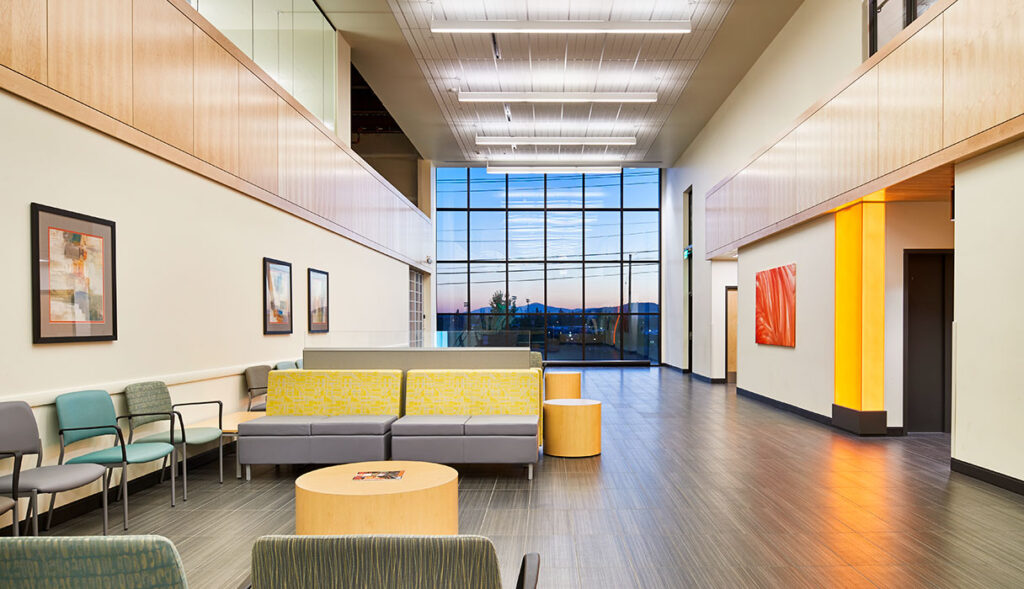
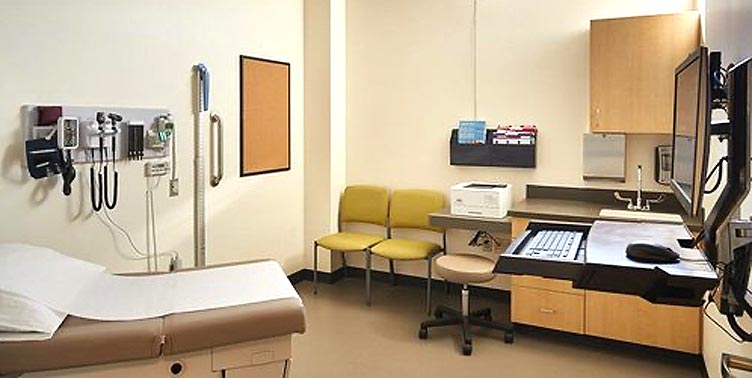
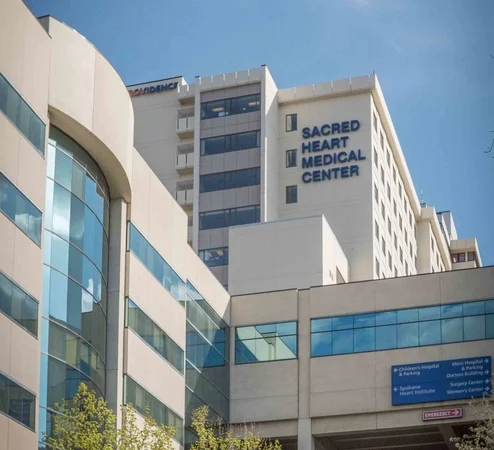
Located in the beautiful University District of Spokane, the Spokane Teaching Health Clinic (STHC) is situated on the riverfront of the Spokane River just a few minutes away from Sacred Heart Medical Center and walking distance to downtown Spokane along the Centennial Trail.
The clinic was first opened to patients 2016 in an inviting 42,000-square-foot modern space, housing more than 49 exam rooms, 3 procedure rooms, 9 counseling spaces, conference rooms, classrooms, laboratory and more. Due to its centralized location, the clinic serves a diverse population of urban, suburban, and rural multi-ethnic populations from a variety of backgrounds. The clinic is staffed and equipped as a full-spectrum primary care clinic, offering in-house labs and counseling services.
The STHC is an interprofessional clinic, with family medicine, psychiatry and internal medicine residency clinics all under one roof. Residents uniquely benefit from this close collaboration of residencies by joint lectures and teaching. Patient care is also enhanced through integrated psychiatric collaborative care between departments, as well as specialty medicine clinics. The STHC hosts specialty and subspecialty clinics including but not limited to dermatology, endocrinology, nephrology, women’s health, HIV and chronic pain management.
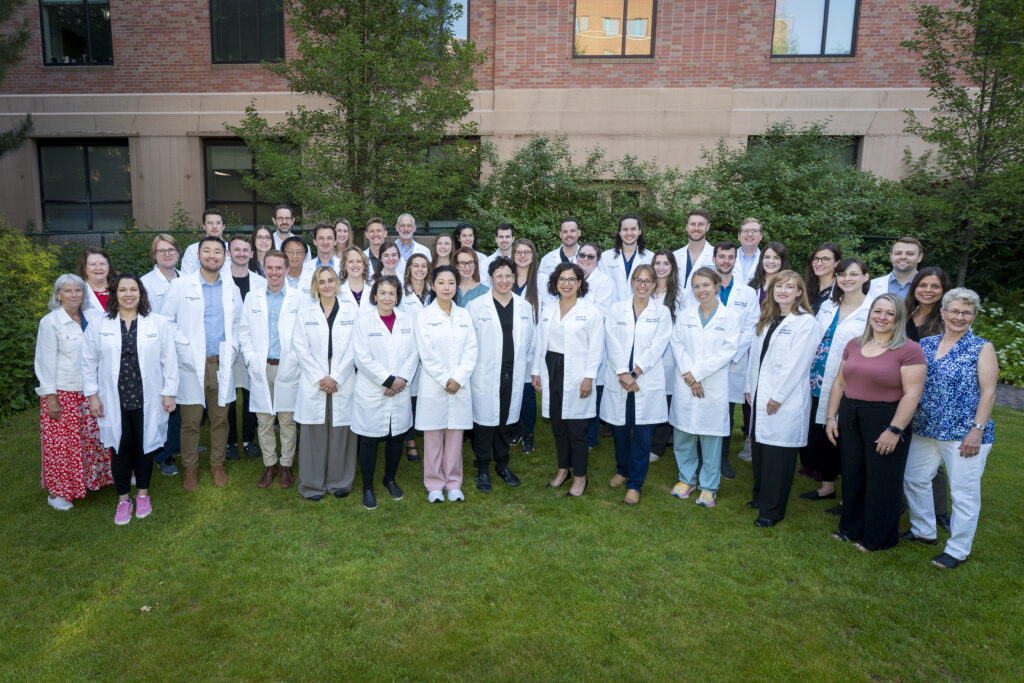
Meet Our Residents
Get to know the exceptional individuals who make up our Internal Medicine Residency program. Our residents come from diverse backgrounds and bring unique perspectives, passions, and experiences to the program. Together, they form a supportive and collaborative community dedicated to providing outstanding patient care and growing as future leaders in internal medicine.
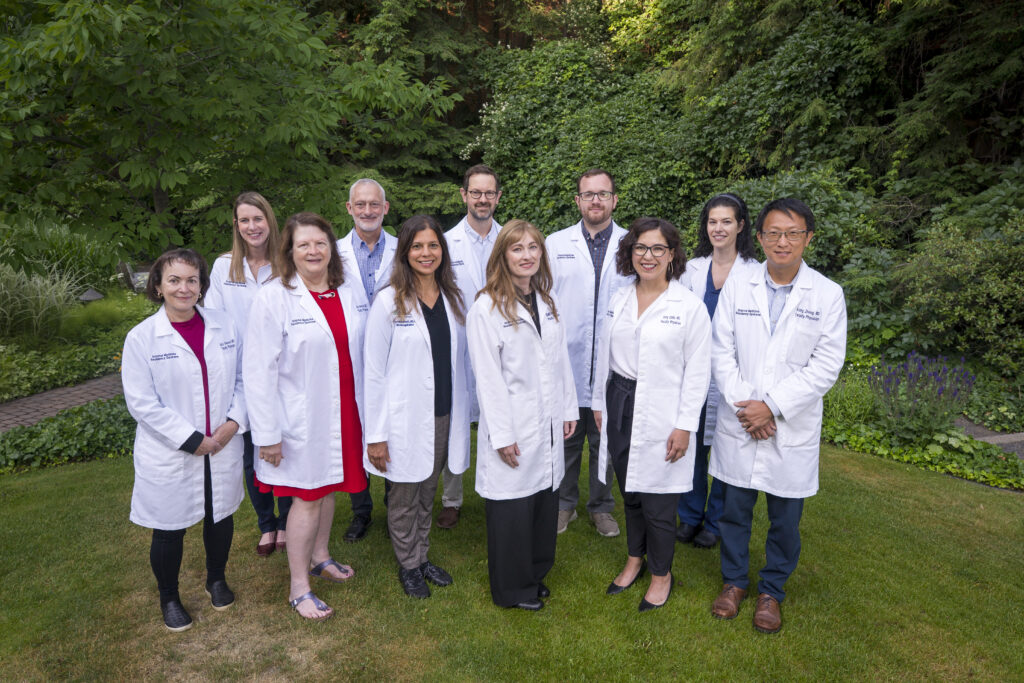
Meet Our Faculty
At the heart of our Internal Medicine Residency is a dedicated team of experienced, passionate educators. Our faculty members bring diverse backgrounds, clinical expertise, and a shared commitment to mentoring the next generation of family physicians. From hands-on training to long-term career guidance, they provide the support and insight residents need to thrive.
How To Apply
We’re excited you’re considering Internal Medicine Residency in Spokane! Below is everything you need to know about applying to our program.
The Internal Medicine Residency Program participates in the National Residency Matching Program (NRMP). Applicants must be registered with the NRMP. We accept applications via the Electronic Residency Application Service (ERAS) only. Paper and email applications will not be accepted or reviewed.
IMRS participates in program signaling. When reviewing applicants, preference will given to qualified applicants who have signaled our program — with gold signals carrying more weight than silver signals. Our program does not use signals in deciding rank list order as applicants’ preferences may evolve before ranking.
Application Deadline Is October 1st
We require the following:
- Completed ERAS Application
- Medical School Transcript
- USMLE or COMLEX scores for Step I (with Step II CK or COMLEX 2 CE available before ranking deadline). Applicants with USMLE of 220 or higher or COMLEX of 520 or higher on first attempt are preferred.
- MSPE (Dean's Letter)
- 3 Letters of Recommendation (One of these three should be from the department of internal medicine chair or a department representative from your third year clerkship)
- Personal Statement
- Citizenship or permanent resident status (we do not sponsor H1B or J1 visas)
International medical graduates should contact the Educational Commission for Foreign Medical Graduates [ECFMG] for their application materials and eligibility requirements.
In addition to the above requirements, we will consider ERAS applications from IMGs that meet the following criteria:
- Graduation from medical school or US Fellowship within the past 3 years.
- Documentation of valid ECFMG certification. ECFMG certification (unless you are currently in medical school) must be complete by mid-February, when rank order lists are due. If you are a current student, graduation from Medical School by April 1 is required to ensure timely ECFMG Certification.
AND, one of the following:
- Documentation of successful completion of an Internal Medicine clinical clerkship or subinternship of at least 4 weeks duration or clinical elective rotations of at least 8 weeks duration at an ACGME accredited U.S. medical education program or Canadian medical school.
OR
- Documentation of successful completion of at least 4 months of Internal Medicine residency training in an ACGME accredited U.S. program or accredited Canadian program.
Interviews
We conduct virtual interviews on most Wednesdays from mid-October through late December. Exact dates will be communicated in your invitation to interview.
While we only offer as many invitations as we have slots, we encourage you to schedule promptly to ensure you can secure the date that works best for you. Initial invitations are sent out on Tuesdays and Fridays after 3PM eastern time. Invitations not accepted after 2 full business days will be moved to the waitlist.
IMRS Specific Benefits
- Annual ACP (American College of Physicians) membership which allows you DynaMed access
- Medical Knowledge Self-Assessment Program (MKSAP) for each resident.
- ABIM exam reimbursement for those sitting for the boards the year they graduate
- Personalized lab coats
- Access to on-site gyms at several locations
- Wellness Half Days--Each resident has three half days that can be utilized throughout the year to be used for any personal wellness needs such as down time or medical appointments.
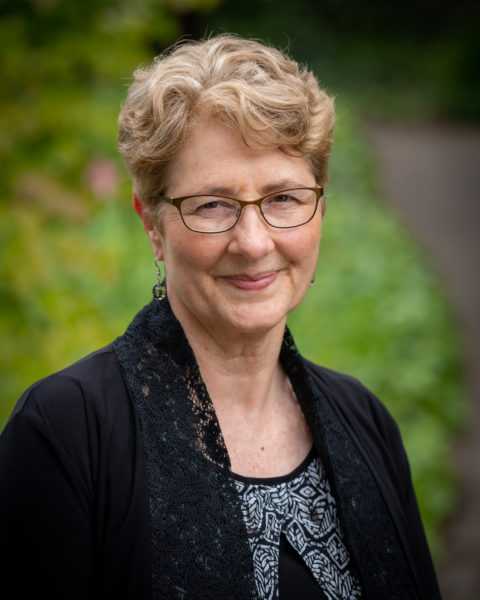
Our Administrative Staff

Teri Yaeger
Program Coordinator

Holly Livecche
Administrative Assistant

Shauna Hamilton
Administrative Assistant